
An empty chair is lost money: how to effectively fight client no-shows?
Client no-shows usually come from chaos and a lack of simple rules. See how to cut down on “empty slots” in 2–3 weeks with reminders, deposits and a short cancellation policy.
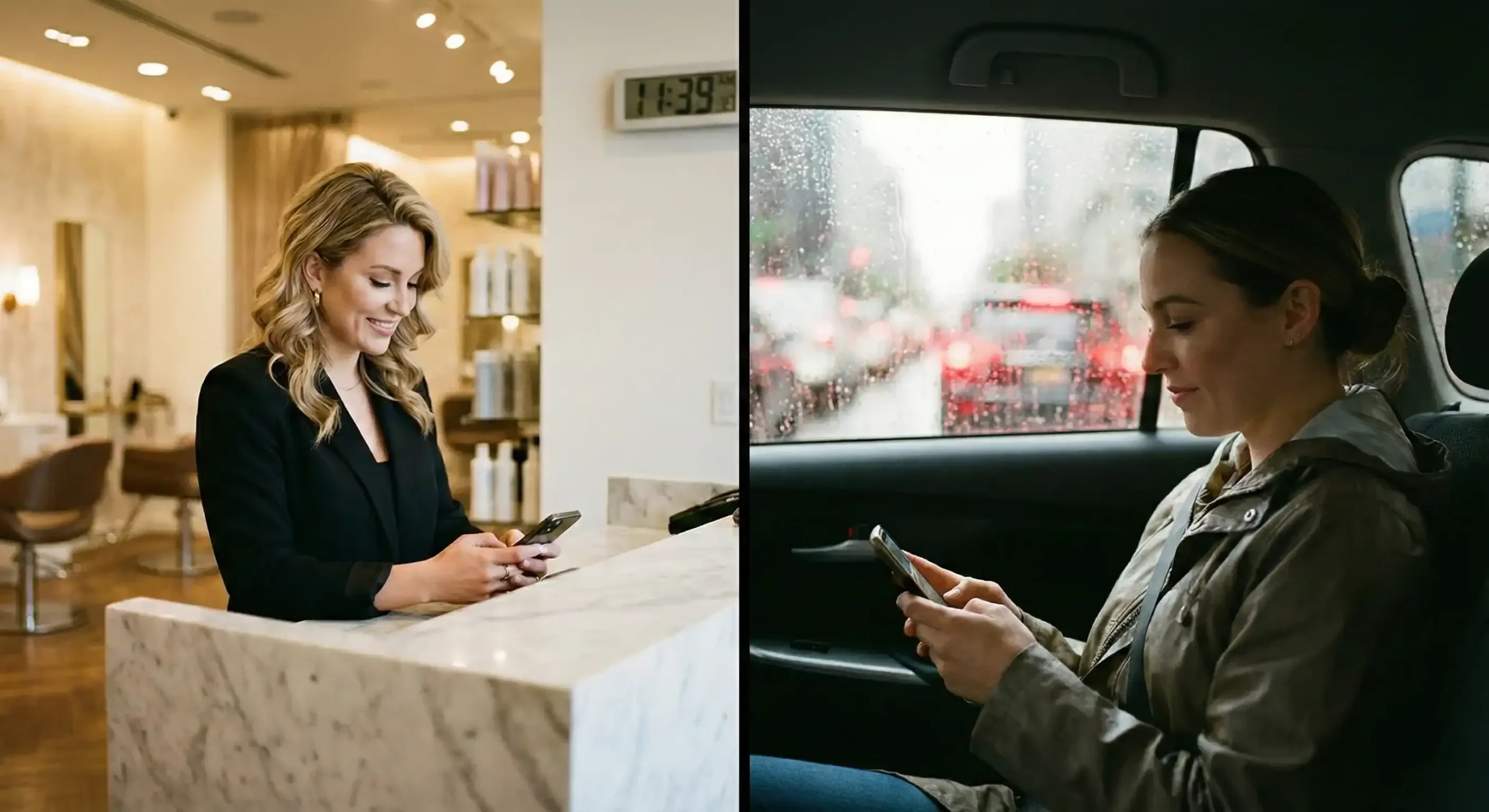
Clients rarely miss appointments out of bad manners or ill will. More often it’s overtime at work, a sick child, a dead phone battery or a plain “I forgot”. In most salons no-shows can be cut a lot without falling out with clients. Reminders help, so do deposits on selected services and simple cancellation rules, as long as you stick to them.
To see a difference in your schedule in two or three weeks, it’s enough to set up two automatic reminders, weave one specific sentence about the cancellation rules into the booking process and start taking deposits for your most expensive services. Rules like these protect your earnings, and clients get used to them quickly.
Reminders that work (and don’t annoy)
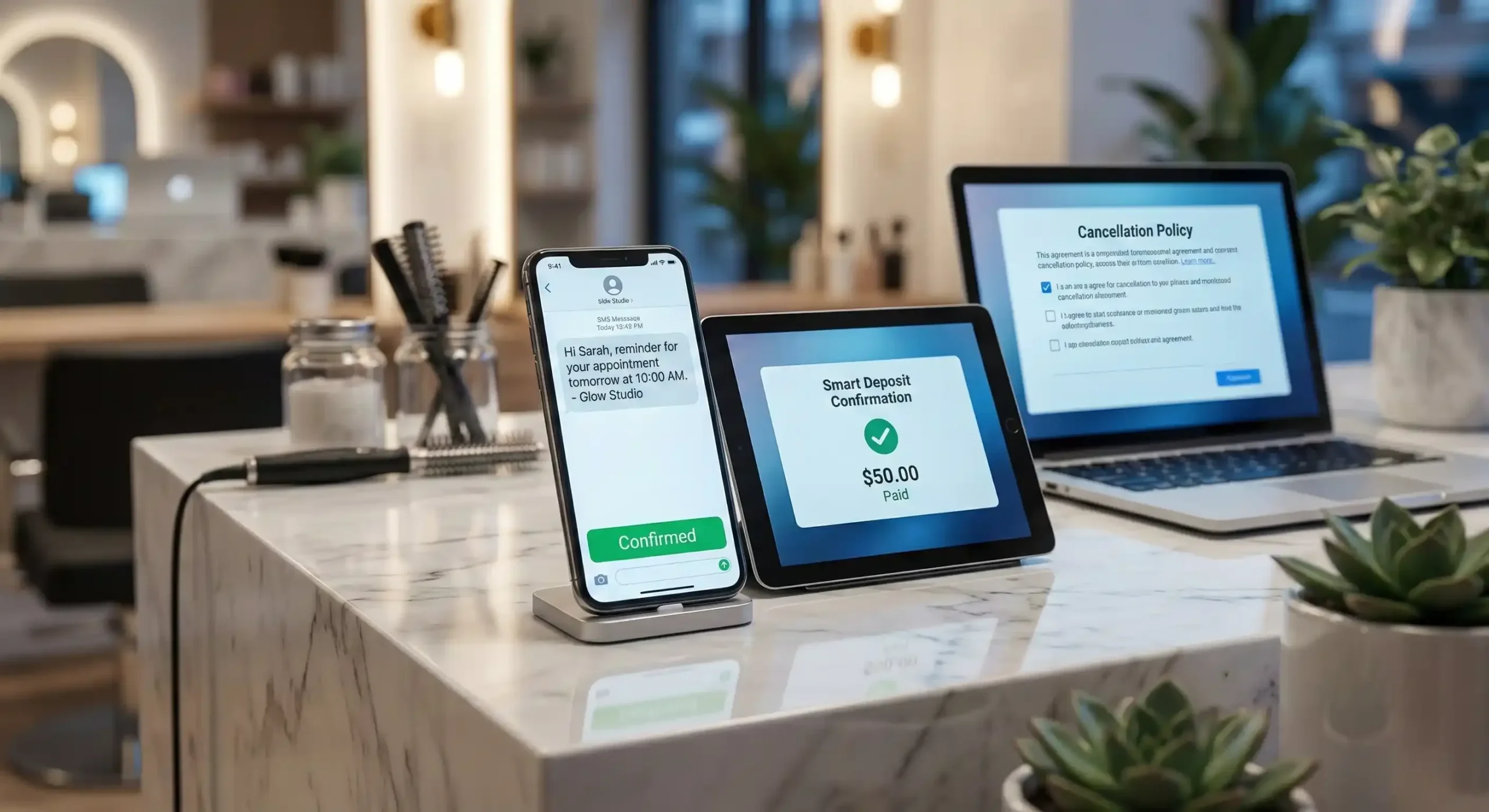
A reminder should be short: the date, the time, the address and a link for quickly changing the appointment. The link matters most. Two messages work best. Send the first one 24–48 hours before the visit, so the client still has time to reschedule and you have time to fill the slot from the waiting list. The second goes out 2–3 hours before the visit as a quick “hey, do you remember?”.
Write plainly, without the official tone: “Hello! A reminder about your manicure appointment on Thursday at 14:00. If something came up, you can change the date here: [link]”. No capital letters and no scare tactics. A new client needs a little more information; for a regular a short, friendly message is enough. The visit history in the client card tells you at once who is visiting for the first time.
Cancellation rules: short, concise and to the point
Cancellation rules show where the line is. They aren’t there to “catch someone out”. Don’t bury them in the fine print of your terms; show them right before the client clicks “book”. You can approach it gently: “You can cancel your appointment free of charge up to 24 hours before the scheduled time. After that, please get in touch – we will try to save the situation together”. If no-shows happen often, be more specific: “A free change of date is possible up to one day before the visit. In the case of a later cancellation, the deposit is non-refundable”. Clients then see that your time has a price.
When is a deposit a good idea?
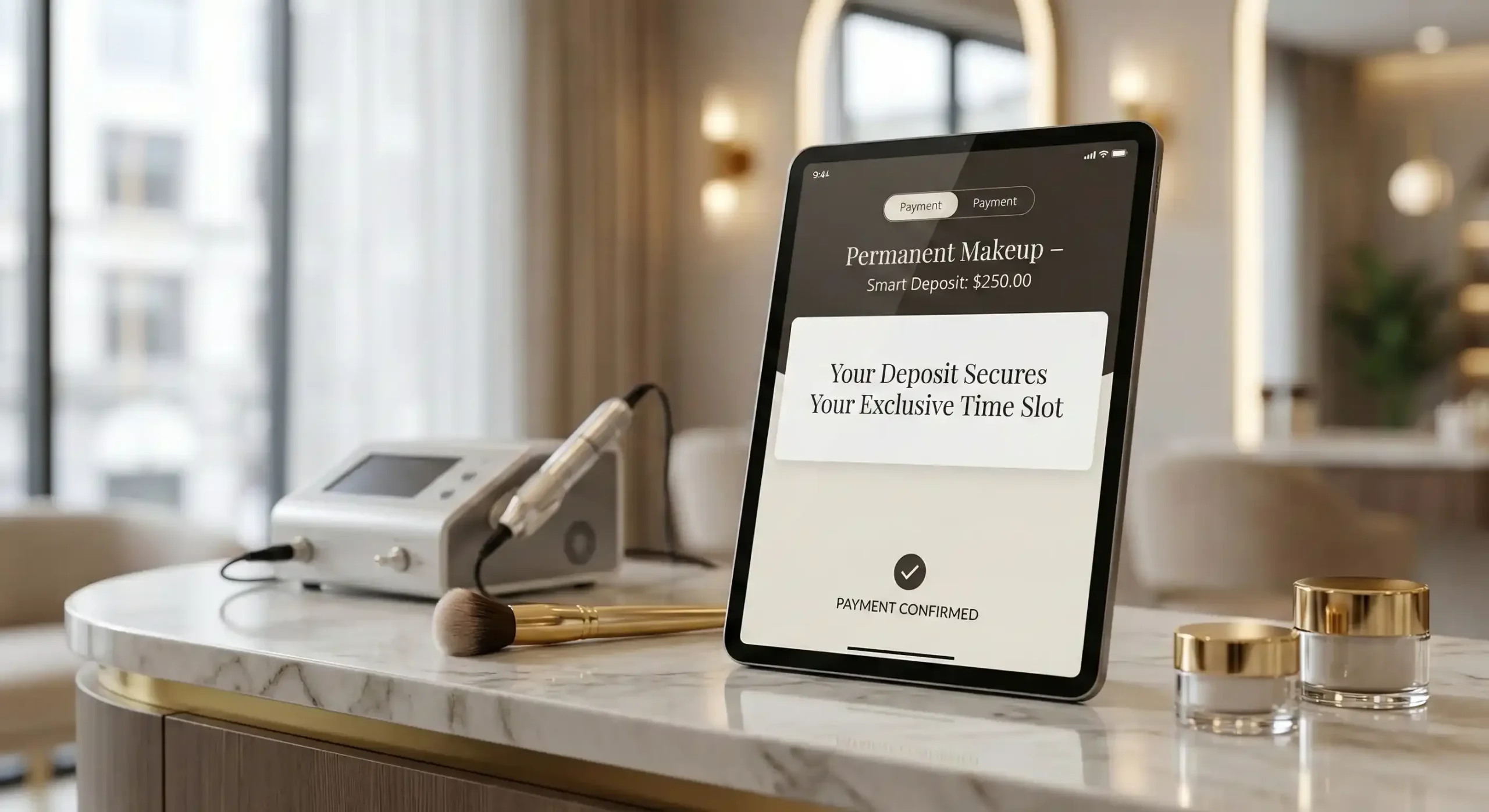
A deposit won’t solve everything, but in a few situations it helps a lot. It makes sense above all for services that last several hours and block half of your day (e.g. a complicated colouring or permanent make-up). It’s also useful with new clients you don’t know yet.
If you’re worried about how clients will react, explain it simply: “The deposit lets us reserve time for you in the schedule and gives us certainty that the slot will not go to waste”. In 2026 clients understand this well. There’s no need to take a prepayment for every brow shaping. Start with the most expensive items on your price list.
What to do when someone simply does not turn up?
It’s easy to get annoyed, but a spiteful message won’t help. After 15 minutes, send a short note: “Hello, we can see that you have not arrived for your appointment. Is everything all right?”. Often the client simply feels too awkward to call. If it happens a second time, the system should automatically require a deposit for her next booking, with no personal grudges.
Your action plan for the coming week
Each step takes a few minutes between clients:
- Day 1: Set a clear window for free cancellation (e.g. exactly 24 hours).
- Day 2: Set up two automatic reminders with a rescheduling link in your system.
- Day 3: Add one specific sentence about the cancellation rules somewhere visible to the client.
- Day 4: Pick the 5 most expensive services and switch on a mandatory deposit for them.
- Day 5: Prepare ready-made reply templates on your phone for the people who did not show up.
After a month there should be noticeably fewer “empty runs”. Convenience does the most: a client who can cancel with one click will do it far more readily than one who has to call and explain herself.
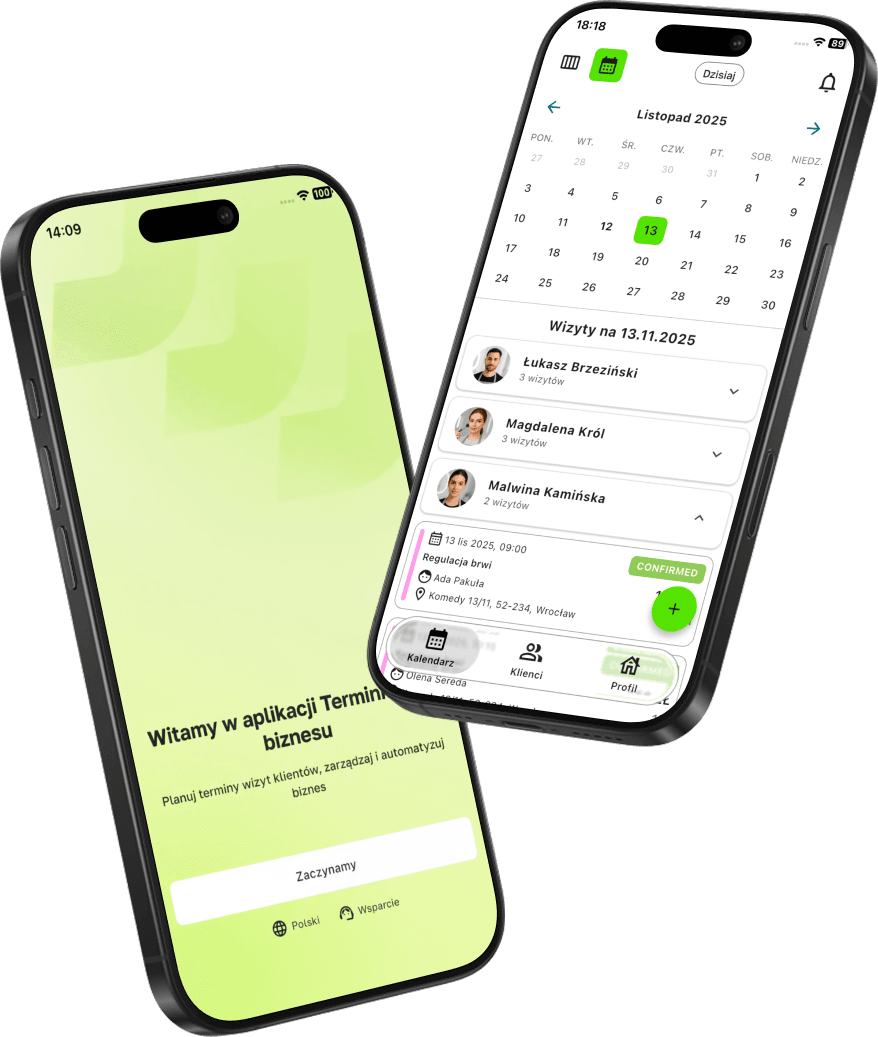
Want to finally stop policing every booking over the phone?
In Terminka you set up reminders, cancellation rules and fast payments in one place, and the system keeps track of the bookings.
Try Terminka free for 14 days and say goodbye to empty slots.
We can also prepare ready-made reminder SMS templates for you, the ones that work best in Polish beauty salons.
